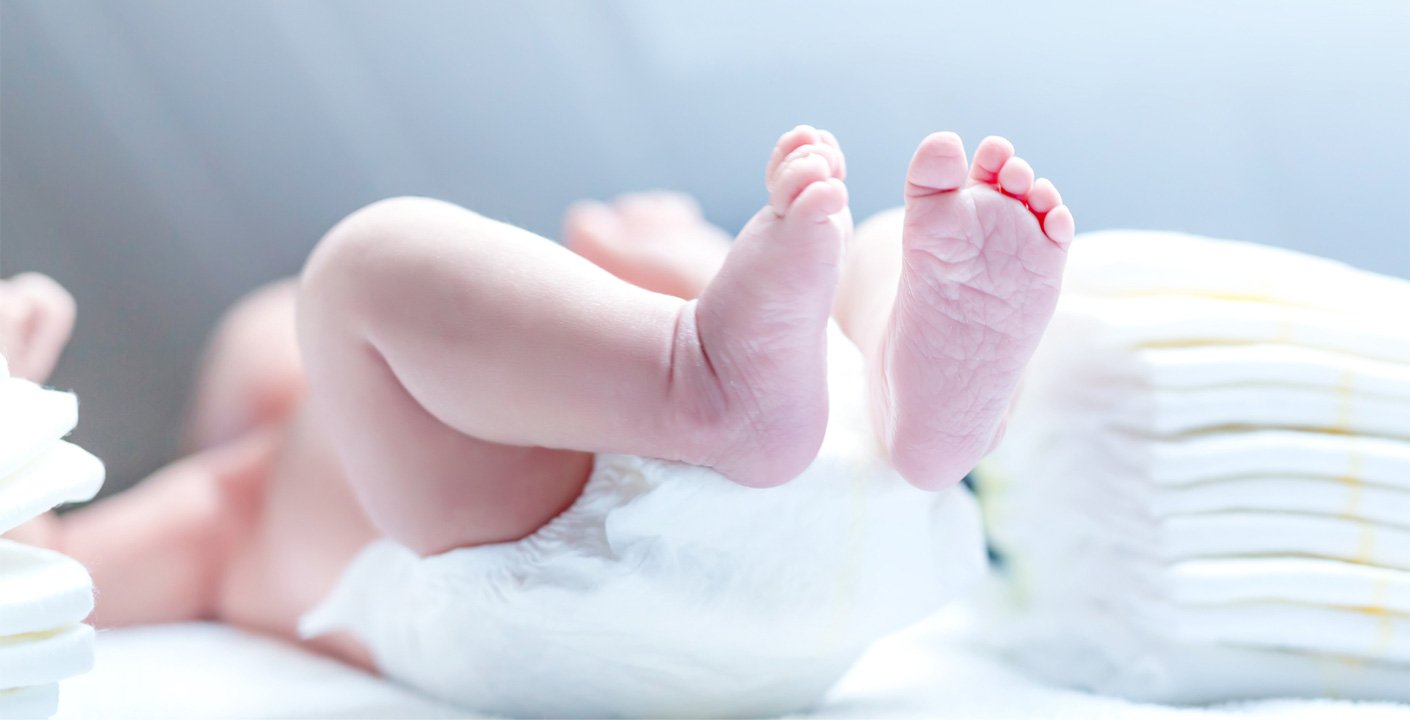

Newborn Dry Skin & Peeling: What Truly Helps?
Let’s take a closer look at newborn dryness and skin peeling—two very common issues that often leave new parents confused or concerned. So, relax with a warm cup of tea and settle in as we walk you through why it happens, what you can do, and how to take gentle care of your baby’s delicate skin.
Even though dry, flaky skin may seem worrying or uncomfortable to see on your newborn, it’s usually completely normal. The great news? A few simple home-care steps are enough to soothe their skin and keep dryness under control.
Why Do Newborns Get Dry, Peeling Skin?
There’s no single cause—this is simply a natural part of a newborn’s adjustment to life outside the womb. Here’s what happens:
While your baby is growing inside the womb, they’re surrounded by amniotic fluid. Around the 17th–20th week of pregnancy, as their skin develops, a creamy, white coating called vernix caseosa forms over their body. This cheese-like layer acts as a protective shield.
Vernix caseosa helps in two important ways:
- Its moisture content prevents the baby’s skin from drying out.
- The fats (lipids) in it create a barrier that protects the skin from the surrounding fluid.
This protective layer also stops the baby’s skin from shedding in the womb. As a result, once the baby is born and the vernix is wiped or washed off, all the accumulated layers beneath start peeling. This shedding usually happens during the first 2–3 weeks after birth—hence the noticeable dryness and flaking.
8 Effective Ways to Soothe Newborn Dryness & Peeling
1. Keep Baths Short
Extended baths can remove the natural oils that protect your baby’s skin. Keep bath time to 5–10 minutes, only two or three times a week. Until the umbilical cord stump falls off, sponge baths are best.
2. Use Warm, Not Hot Water
Hot water can dry the skin further and irritate nerve endings, making babies scratchy or uncomfortable. Warm water helps clean without stripping moisture.
3. Moisturize Regularly
Apply a baby-safe ointment or moisturizer twice a day, especially right after baths. This helps lock in moisture. A soft massage also helps loosen peeling skin gently and naturally. Make sure to pat your baby dry before applying moisturizer.
4. Avoid Harsh or Fragranced Products
Steer clear of scented lotions, soaps, or body washes—they can irritate sensitive newborn skin. Also, use a baby-friendly detergent instead of regular laundry soap to wash their clothes.
5. Keep Your Baby Well Hydrated
Newborns get all the hydration they need from breast milk or formula. After six months, you can slowly introduce small amounts of water. Watch for dehydration signs such as fewer wet diapers or crying without tears.
6. Choose Soft Cotton Clothing
Dress your baby in breathable fabrics like cotton. They’re gentle on peeling skin and allow airflow, helping the skin stay healthy and calm.
7. Dress for the Weather
Protect your baby from harsh sunlight in warm weather, and keep them cozy during cold days. Indoors, avoid overdressing—comfortable clothing that suits the room temperature is ideal.
8. Use a Humidifier
Dry indoor air can worsen skin peeling. A humidifier helps add moisture to the air, preventing dryness, irritation, and itchiness.