
Watching your little one grow out of their tiny clothes, make sweet cooing sounds, crawl across the floor, grab everything they shouldn’t, and finally say their first “mama” or “dada” is pure magic. These warm, heart-melting moments make every sleepless night and exhausting day feel absolutely worth it.
But alongside all the visible milestones, your baby is also developing emotionally in powerful ways-changes that may not always be easy to notice but are just as important. During the first year, your child’s emotional world blossoms rapidly. And guess how they learn most of it? By observing you.
Let’s walk through the beautiful emotional journey your baby goes through, and how your everyday interactions help shape who they become.
The New Arrival
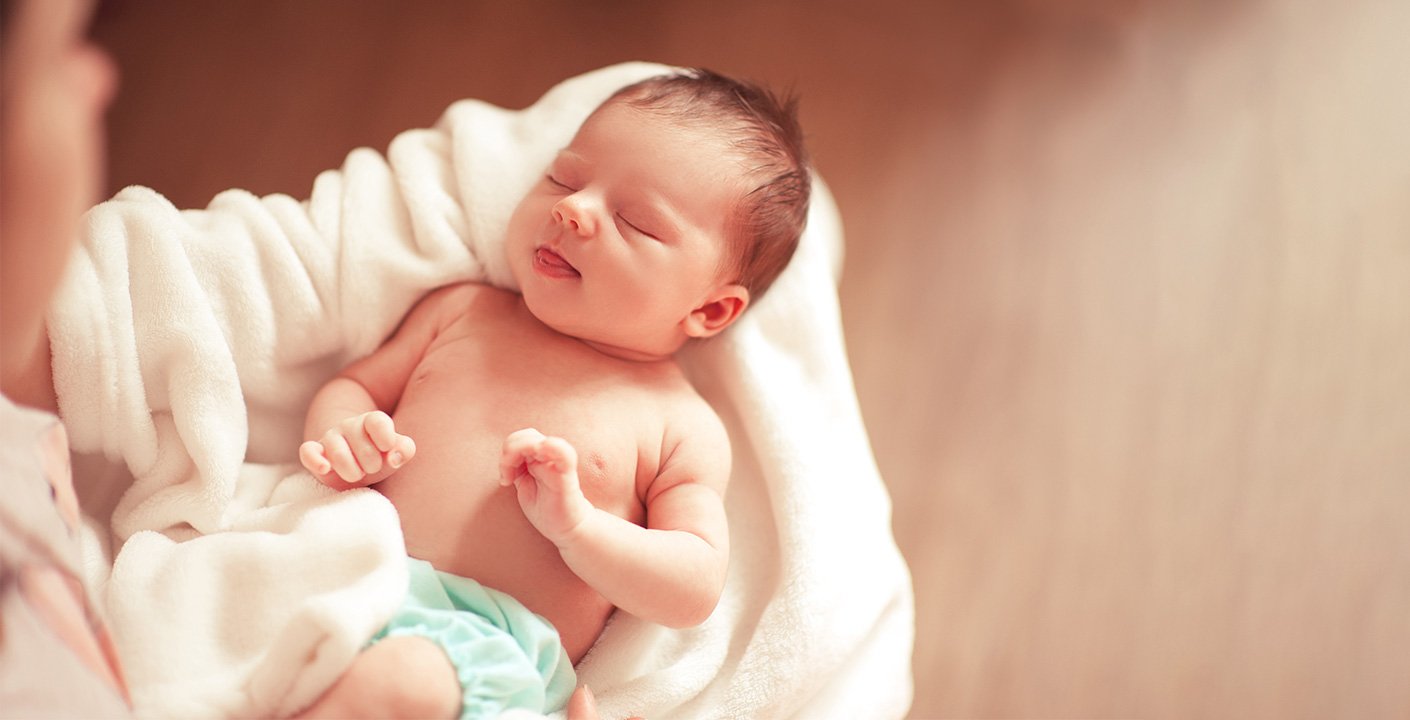
From the moment they’re born, babies look for comfort, warmth, and safety from the people caring for them. Simple actions like holding, cuddling, and gently rocking your baby help build trust. In their very first month, your baby begins to understand that someone-you-will meet their needs.
They can’t express their feelings with words yet, but their cries, fussiness, or restlessness clearly signal when something doesn’t feel right. Your attentive, loving response teaches them what a caring relationship looks like and becomes the foundation of how they’ll connect with others.
As they start noticing more around them, make eye contact whenever you can. Talk to them with expressive faces, natural pauses, and warmth. They’ll begin learning how conversations work and how to understand emotions by watching yours.
The Little Mimic
Between 3 and 6 months, babies love copying faces and expressions. Try making silly faces, smiling widely, or raising your eyebrows—they’ll joyfully try to imitate you. Around this time, you’ll likely see their first intentional smile.
“My daughter was such a cheerful baby. I spotted her first real smile early on, and it wasn’t just a smile—her whole body joined in, arms open wide and legs kicking with excitement. It was a healing moment for me,” says the writer of this blog (hello from the mom of two little sunbeams!).
During this stage, babies learn they’re their own little person. They start turning toward you when you call their name, cry differently depending on their needs, and become fascinated with children’s voices. Want to know more about their attempts to “talk”? Check out our post on baby communication!
The Curious Adventurer
Around 6-9 months, your baby starts recognizing familiar faces and becomes cautious around strangers. They may cling to you in new situations or get startled by loud sounds-perfectly normal reactions.
Their curiosity will skyrocket now. Encourage their need to explore, show them small parts of the world, and play interactive games. Babies learn fastest through play!
This is also when they begin understanding emotional cues—like angry expressions or raised voices—and respond to them.
A gentle reminder from one parent to another: babies absorb emotions like sponges. If you’re upset, anxious, or sad, they often mirror those feelings. Try to stay cheerful around them whenever possible; your emotional state influences theirs more than you realize.
The Almost-Toddler
As the first year comes to an end, your baby will recognize a handful of words even if they can’t speak them yet. This sets the stage for expressing their own emotions. You can help by connecting words to feelings—talk about happiness when they smile, or acknowledge sadness when they cry.
They’ll also begin to show preferences for people, toys, and activities. And yes, the classic toddler tantrums start when their favorite toy is taken away or something doesn’t go their way.
This is also the age of newfound independence—they say “NO!” more often, show likes and dislikes, and repeat actions or jokes that make them laugh.
By the end of the first year, separation anxiety may kick in. Your baby becomes deeply attached to you and may get upset when you’re not around. They also love being part of your everyday tasks. Invite them in: “Mommy’s washing dishes—can you hand me the big spoon?” “Daddy’s going to get groceries—want to come along?”
Bringing It All Together
Your baby’s emotional growth is shaped by their natural temperament, their ability to think and explore, and the experiences you provide. The last two depend heavily on you.
By being a calm role model, responding to their signals, and giving them a safe space to explore and learn, you play a powerful role in building the foundation of their emotional wellbeing.
Your love, presence, and encouragement are shaping the little human they’re becoming—one moment, one smile, and one cuddle at a time.